



SPEAK GOOD ENGLISH NEWSLETTER NOVEMBER 2017
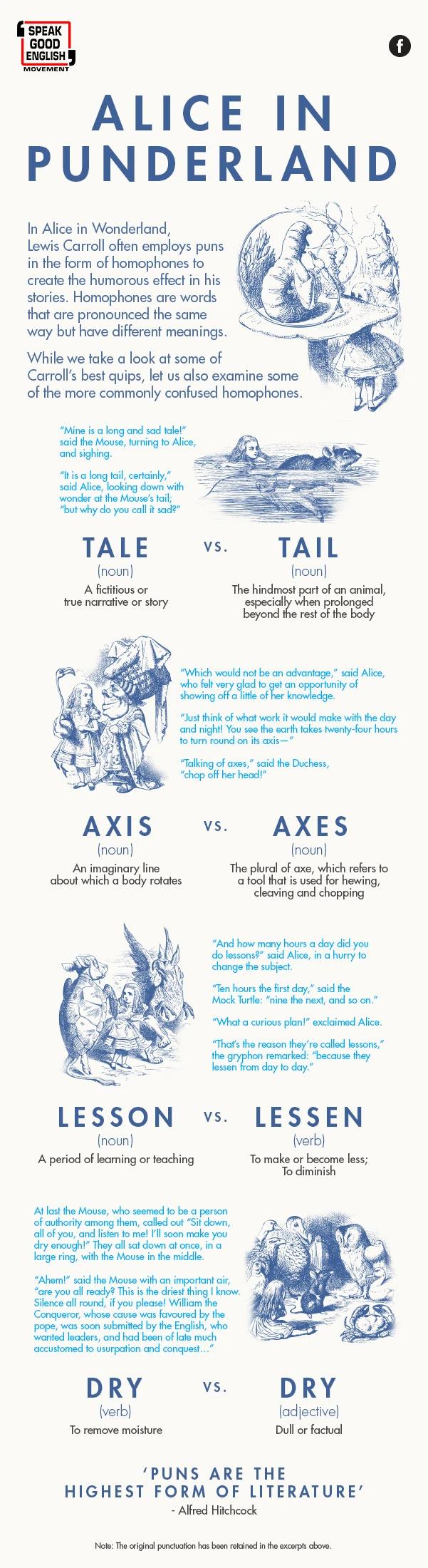
Homophones are words that are pronounced the same way but have different meanings. Let us examine some of the more commonly confused homophones.
Access lessons, tips, quizzes, guides, and strategies to improve your English. For additional language resources, visit https://soundcloud.com/speak-good-english.
Homophones are words that are pronounced the same way but have different meanings. Let us examine some of the more commonly confused homophones.
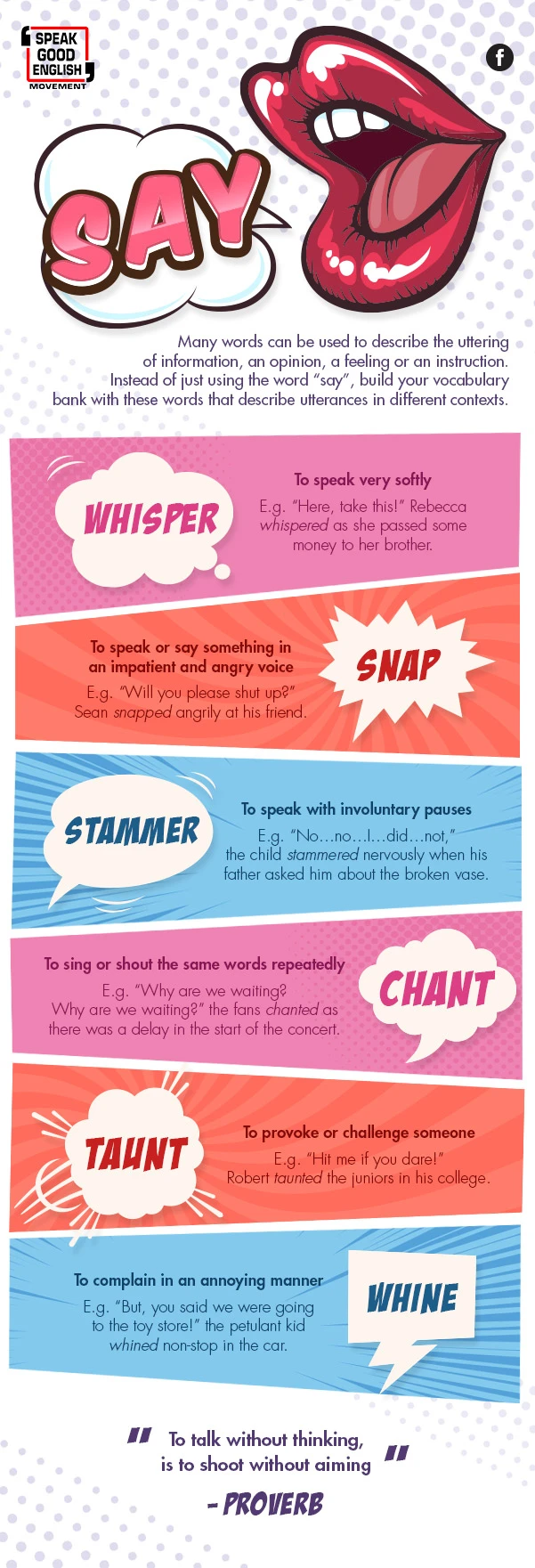
There are many words that can be used to describe the uttering of information, an opinion, a feeling or an instruction. Instead of just using the word, “say”, build your vocabulary bank with these words that describe utterances in different contexts.
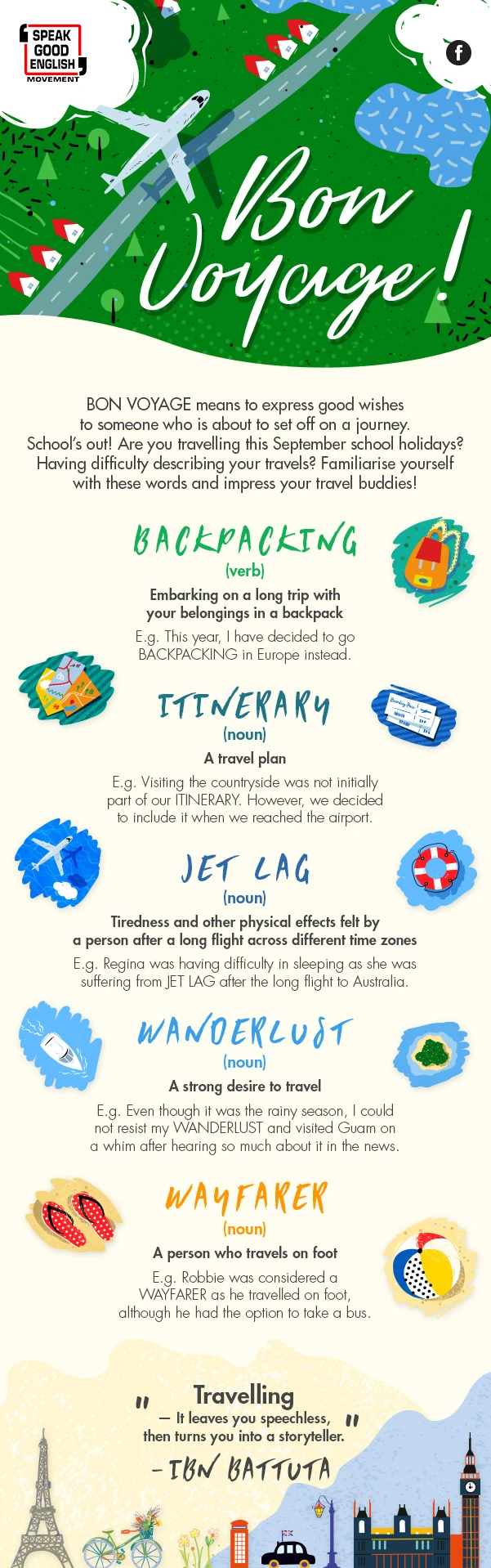
Bon Voyage means to express good wishes to someone who is about to set off on a journey. School's out! Are you travelling this September school holidays? Having difficulty describing your travels? Familiarise yourself with these words and impress your travel buddies!
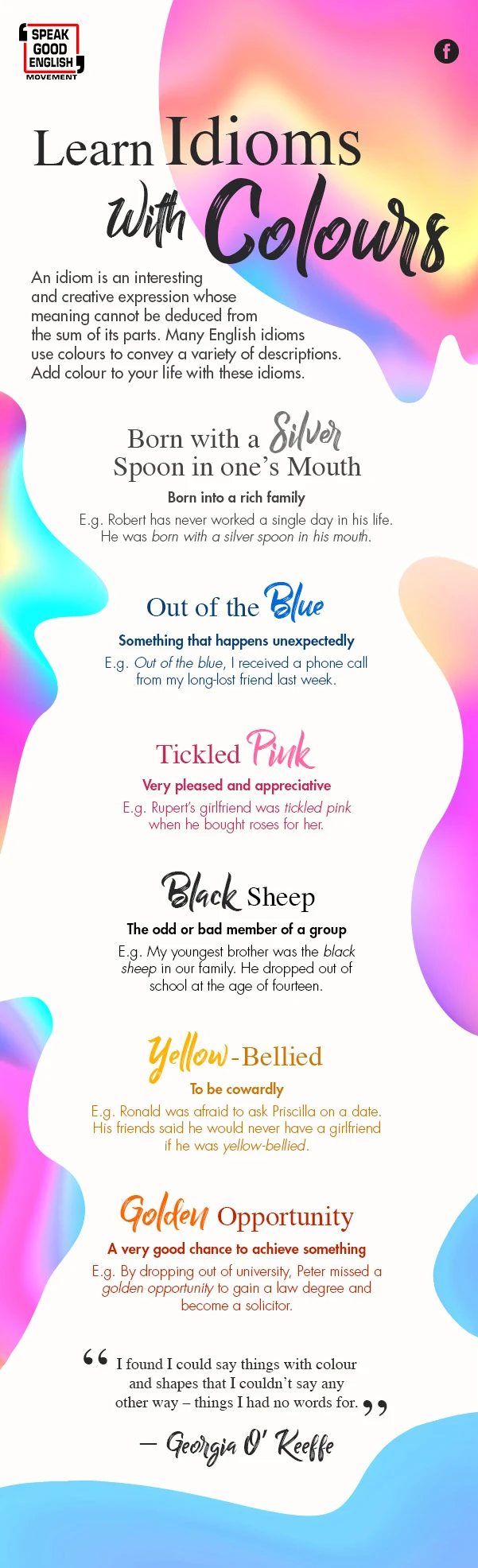
An idiom is an interesting and creative expression whose meaning cannot be deduced from the sum of its parts. Many English idioms use colours to convey a variety of descriptions. Add colour to your life with these idioms.
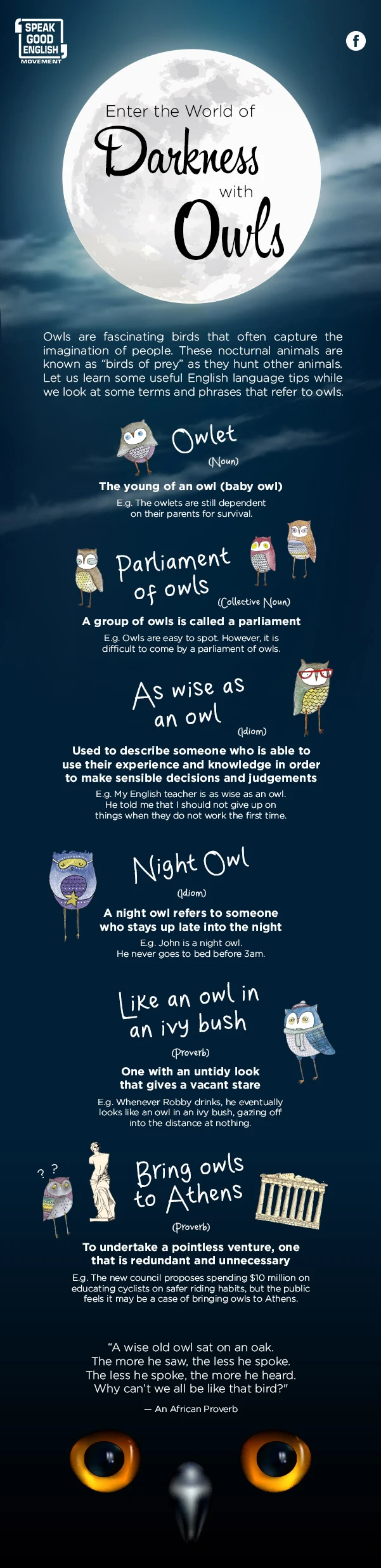
Owls are fascinating birds that often capture the imagination of people. These nocturnal animals are known as “birds of prey” as they hunt other animals. Let us learn some useful English language tips while we look at some terms and phrases that refer to owls.
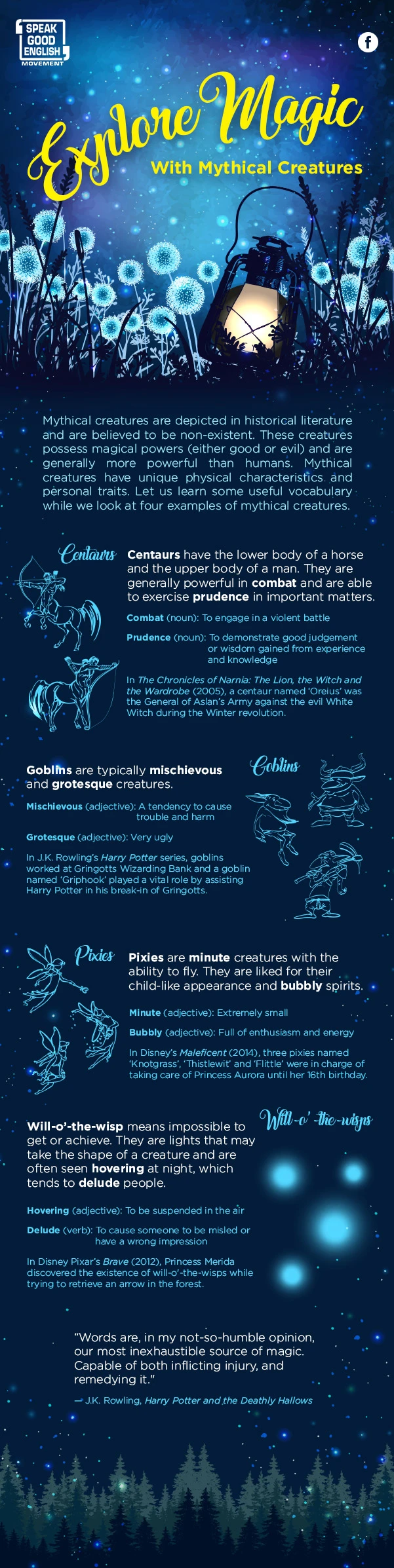
Mythical creatures are depicted in historical literature and are believed to be non-existent. These creatures possess magical powers (either good or evil) and are generally more powerful than humans. Mythical creatures have unique physical characteristics and personal traits. Let us learn some useful vocabulary while we look at four examples of mythical creatures.
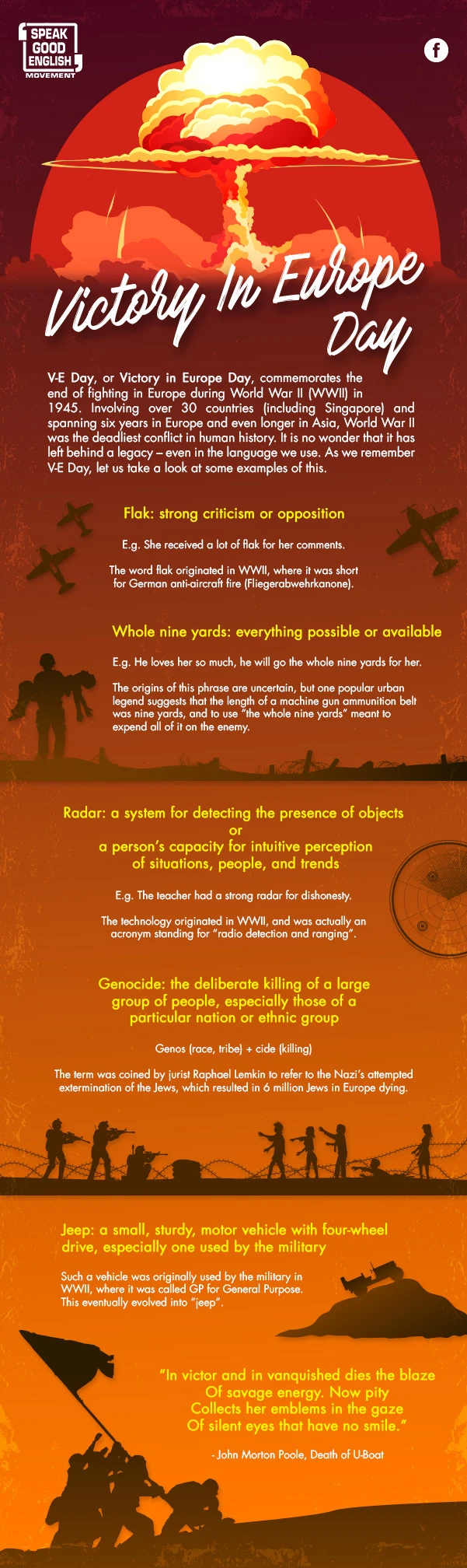
V-E Day, or Victory in Europe Day, commemorates the end of fighting in Europe during World War II (WWII) in 1945. Involving over 30 countries (including Singapore) and spanning six years in Europe and even longer in Asia, World War II was the deadliest conflict in human history. It is no wonder that it has left behind a legacy – even in the language we use. As we remember V-E Day, let us take a look at some examples of this.
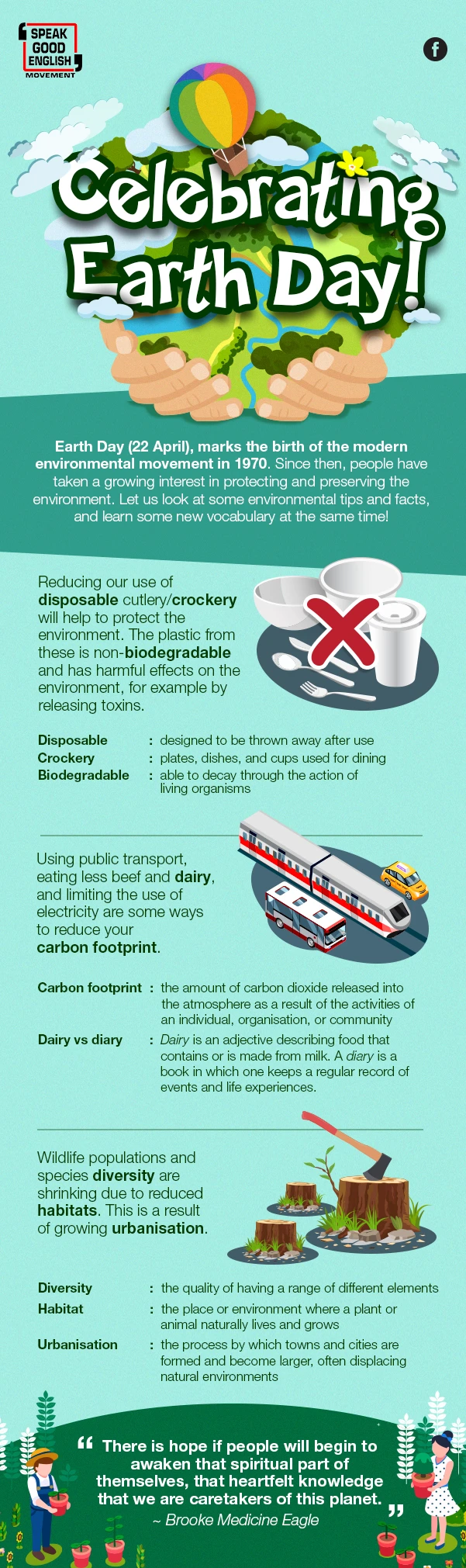
Earth Day (22 April), marks the birth of the modern environmental movement in 1970. Since then, people have taken a growing interest in protecting and preserving the environment. Let us look at some environmental tips and facts, and learn some new vocabulary at the same time!
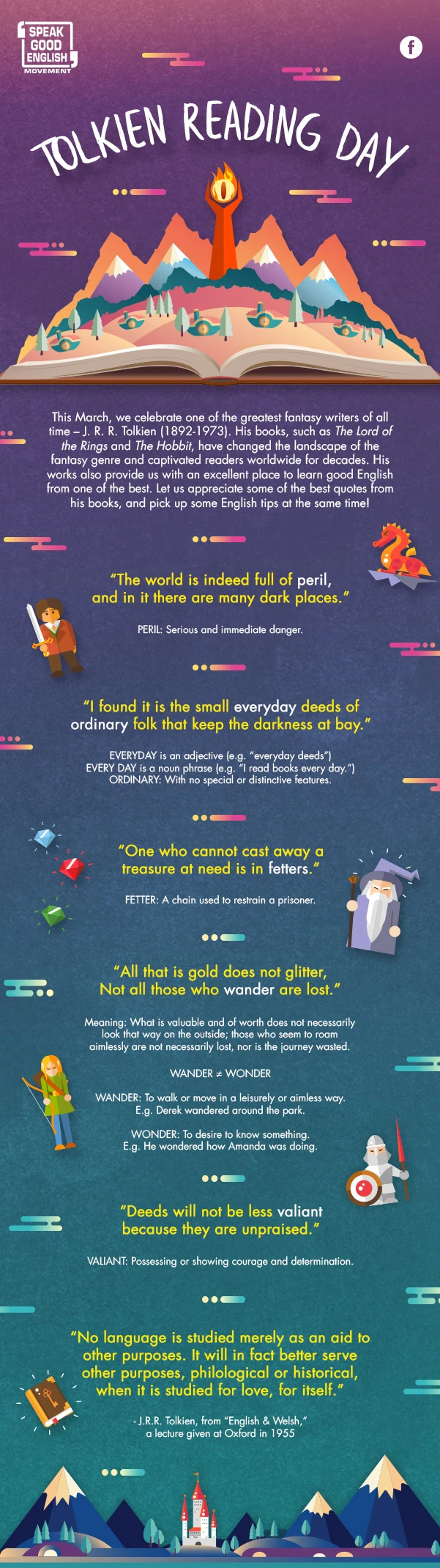
This March, we celebrate one of the greatest fantasy writers of all time – J. R. R. Tolkien (1892-1973). His books, such as The Lord of the Rings and The Hobbit, have changed the landscape of the fantasy genre and captivated readers worldwide for decades. His works also provide us with an excellent place to learn good English from one of the best. Let us appreciate some of the best quotes from his books, and pick up some English tips at the same time!
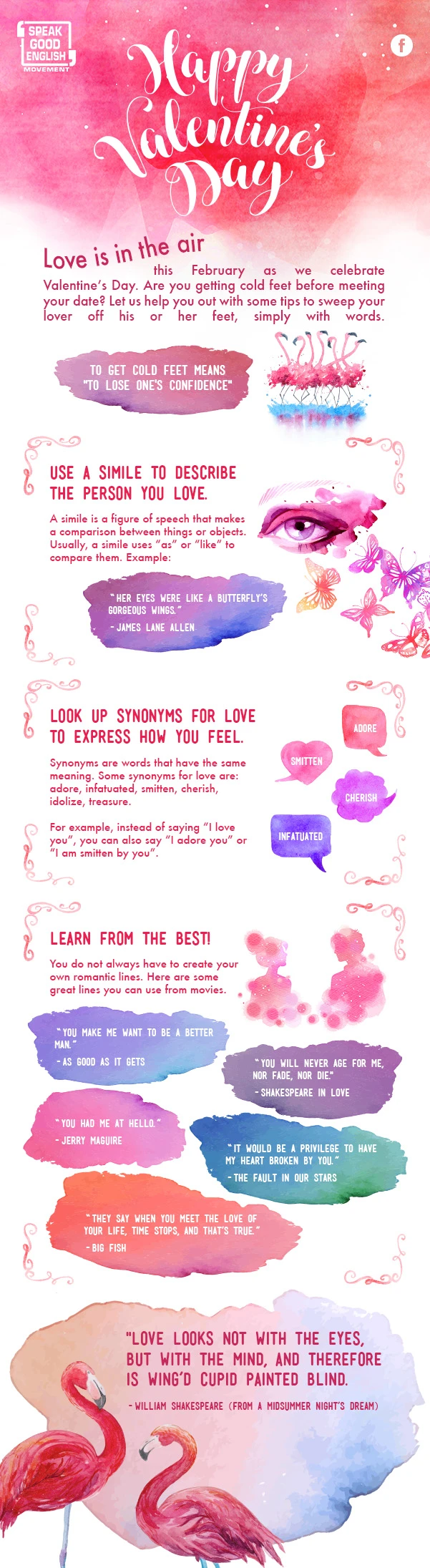
Love is in the air this February as we celebrate Valentine’s Day. Are you getting cold feet before meeting your date? Let us help you out with some tips to sweep your lover off his or her feet, simply with words.
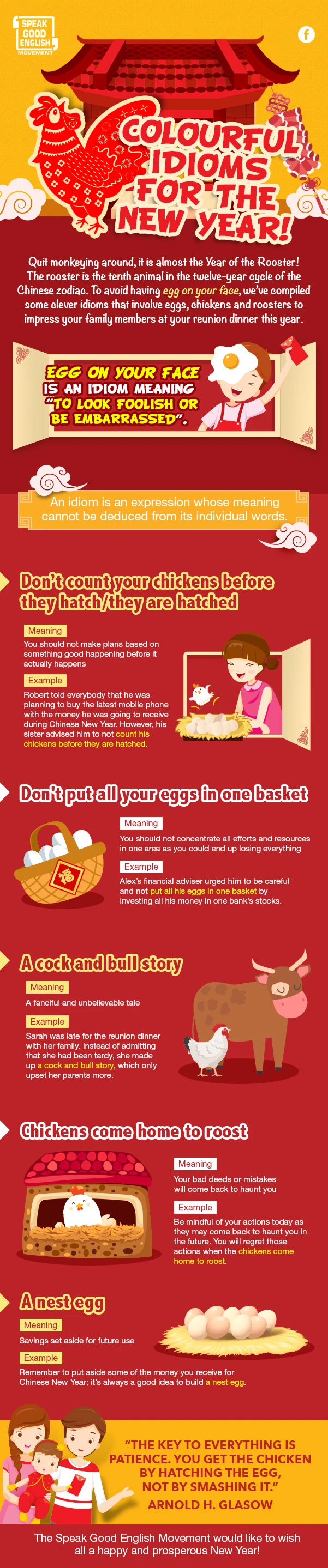
Quit monkeying around, it is almost the Year of the Rooster! The rooster is the tenth animal in the twelve-year cycle of the Chinese zodiac. To avoid having egg on your face, we’ve compiled some clever idioms that involve eggs, chickens and roosters to impress your family members at your reunion dinner this year.
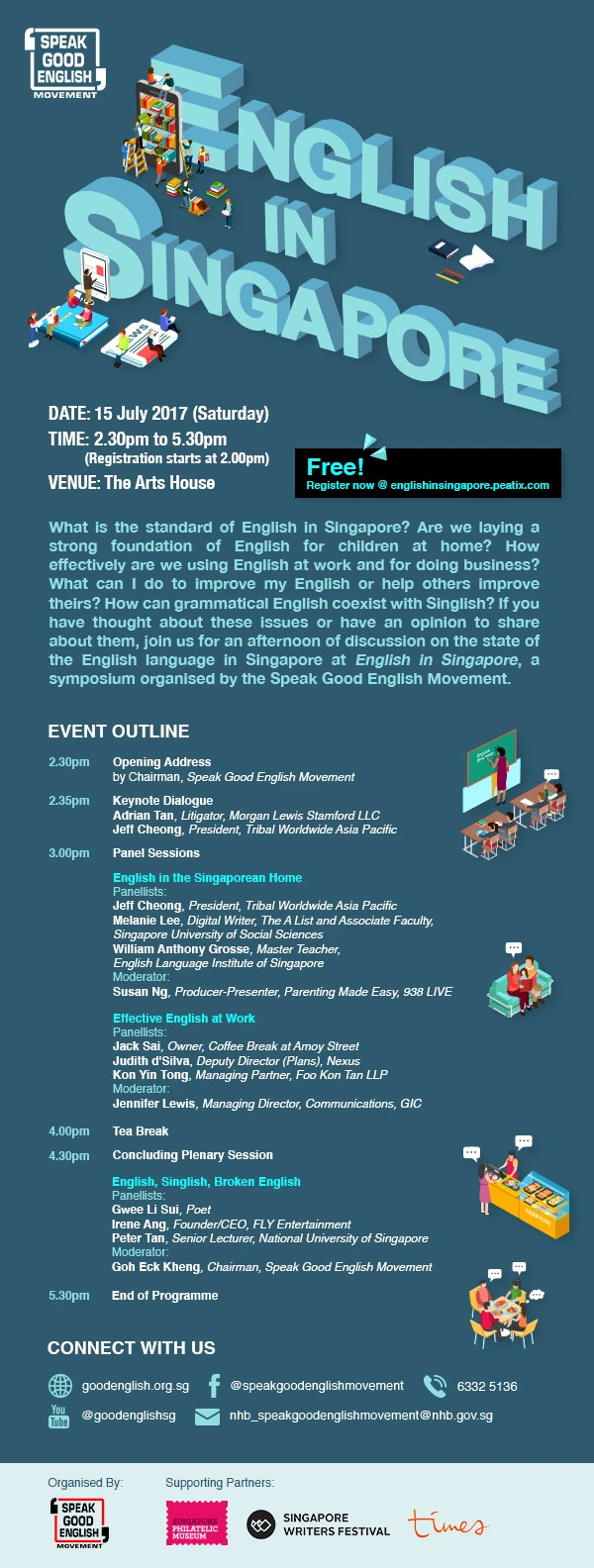
What is the standard of English in Singapore? Are we laying a strong foundation of English for children at home? How effectively are we using English at work and for doing business? What can I do to improve my English or help others improve theirs? How can grammatical English coexist with Singlish?
If you have thought about these issues or have an opinion to share about them, join us for an afternoon of discussion on the state of the English language in Singapore at English in Singapore, a symposium organised by the Speak Good English Movement.